
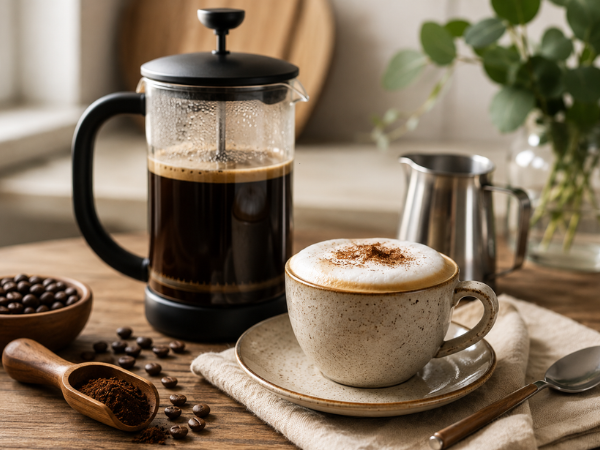
A cappuccino is usually associated with espresso machines, steam wands, and carefully textured milk. But you do not need expensive equipment to make a satisfying cappuccino-style drink at home. A French press can brew a rich coffee base and can even help you create milk foam.
There is one important difference to understand: a French press does not produce true espresso. Traditional cappuccino is made with espresso, while a French press version uses strongly brewed coffee. The result has a slightly different flavor and texture, but it can still be creamy, balanced, and enjoyable.
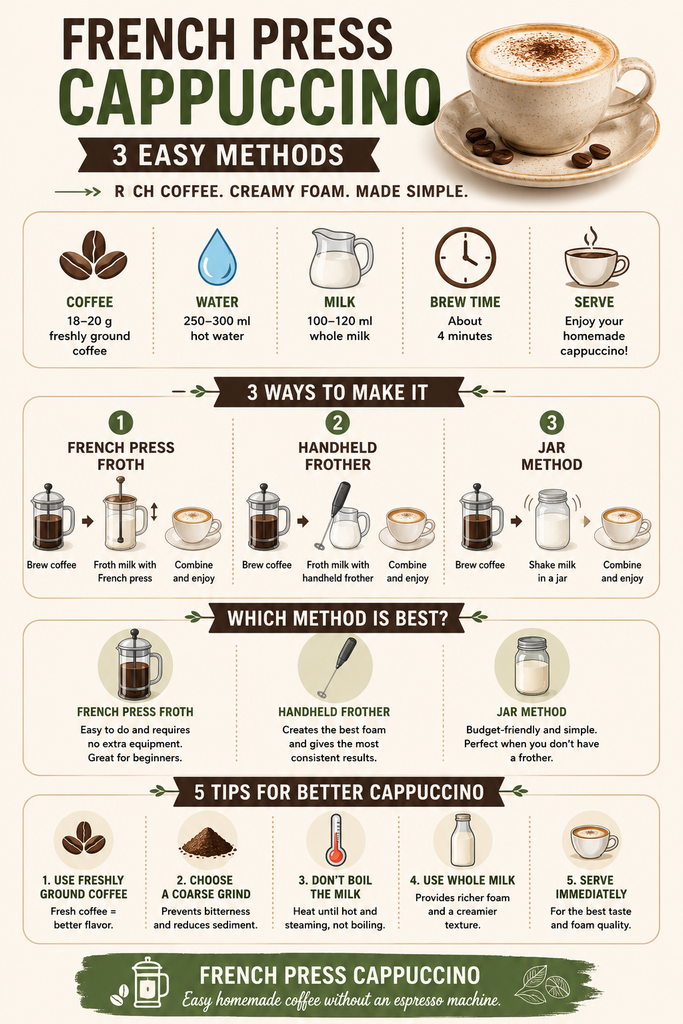
What You Need to Make French Press Cappuccino
The ingredients and equipment are simple. Most of them may already be in your kitchen.
Coffee
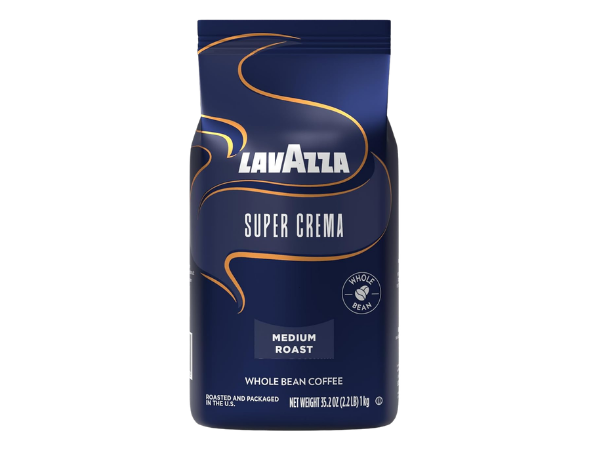
Freshly roasted coffee beans are the best choice because they provide more aroma and flavor than coffee that has been sitting around for a long time. A medium or medium-dark roast works particularly well if you want a rich, chocolatey cappuccino-style drink.
For one serving, start with about 18–20 grams of coffee and adjust the amount according to your preferred strength.
Water
Use clean, fresh water for brewing. Filtered water can help produce a cleaner-tasting cup, especially if your tap water has a strong mineral or chlorine taste.
Whole Milk
Whole milk is an easy choice for creating creamy foam. Its combination of fat and protein gives the drink a fuller texture.
You can also use 2% milk or a suitable plant-based alternative, although the amount and quality of foam may vary.
French Press
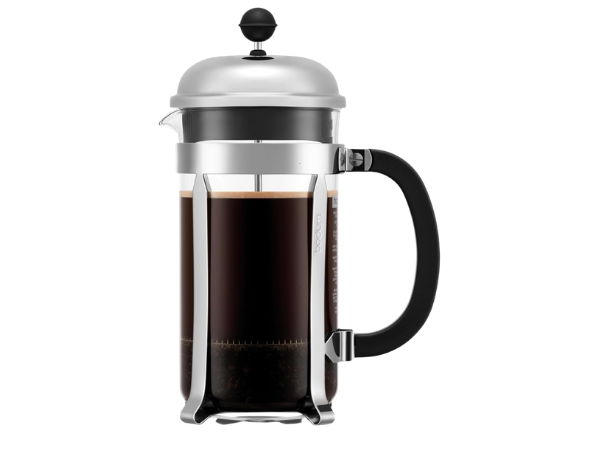
A French press is the main piece of equipment. A smaller press works well for one or two servings, while a larger model gives you more room if you are preparing drinks for several people.
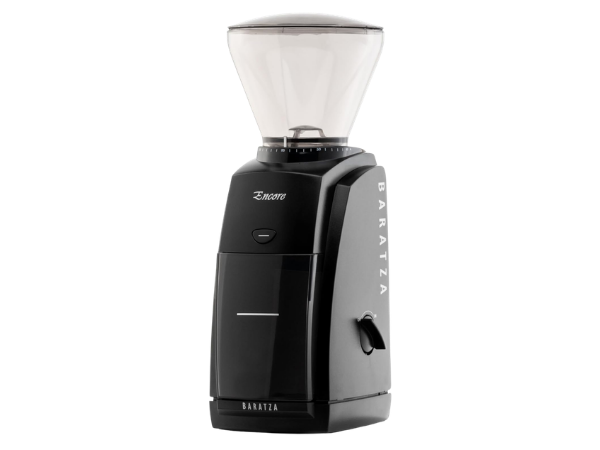
Coffee Grinder
If you are using whole beans, a burr grinder is preferable. French press coffee generally requires a coarse grind, which helps reduce sediment and makes the coffee easier to filter.
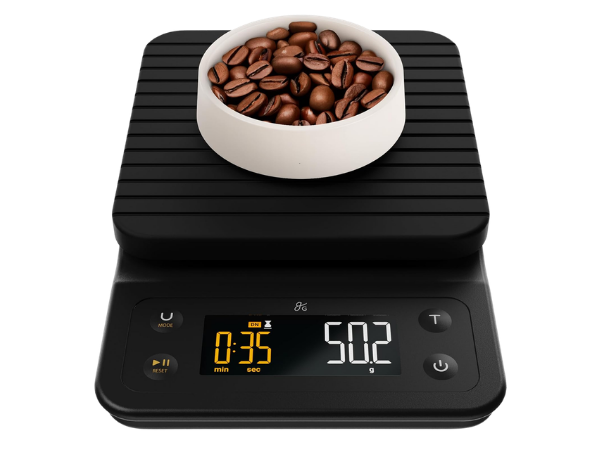
Measuring Scale
A kitchen or coffee scale is optional, but it makes the recipe much more consistent. Measuring coffee by weight is more reliable than using different-sized scoops.
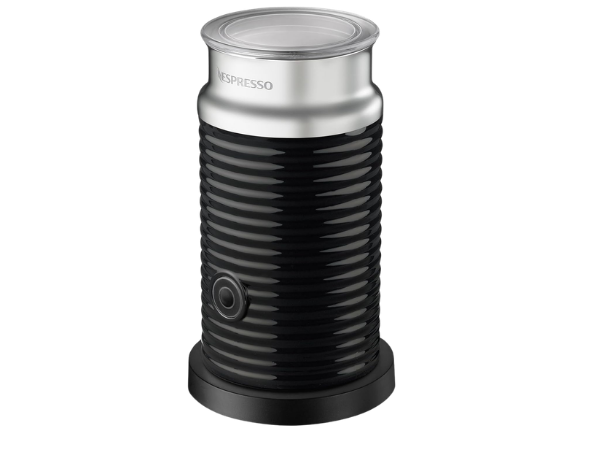
Milk Frother or Jar
Depending on the method you choose, you can froth the milk with the French press itself, a handheld frother, or a simple jar.
Cappuccino Cup
A small cup helps maintain the traditional cappuccino proportions and keeps the drink hot. A cup around 5–6 ounces is a practical size for a concentrated serving.
How to Make Cappuccino With a French Press: Method 1
If you want to keep the process simple and use your French press for more than just brewing coffee, this method is a great place to start. You’ll prepare a strong coffee base and then use the French press plunger to create a layer of creamy milk foam.
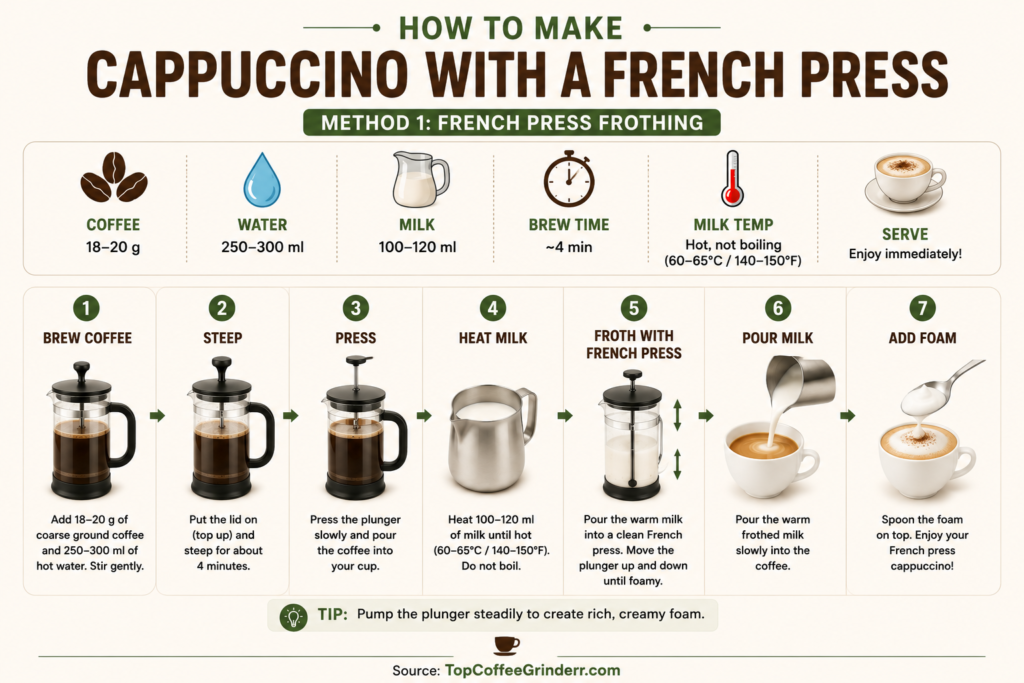
French Press Coffee + French Press Milk Froth
This is the closest approach to the original idea of using the French press for the entire preparation. You brew the coffee first, clean the press, and then use the plunger to create foam.
Step 1: Grind the Coffee
Grind approximately 18–20 grams of coffee to a coarse consistency. Avoid grinding the beans too finely because fine particles can make French press coffee muddy and bitter.
Step 2: Heat the Water
Heat approximately 250–300 ml of water until it is hot but not aggressively boiling.
Step 3: Brew the Coffee
Place the ground coffee in the French press and add the hot water. Stir gently to make sure all the grounds are saturated.
Put the lid on the press without pushing the plunger down. Let the coffee brew for around four minutes.
Step 4: Press Slowly
After brewing, slowly push the plunger downward. Do not force it. Pour the brewed coffee into your cappuccino cup.
Step 5: Heat the Milk
Warm approximately 100–120 ml of whole milk until it is hot and steaming. Do not let it boil.
Step 6: Froth the Milk
Clean the French press and pour the warm milk into it. Place the lid on the press and move the plunger rapidly up and down.
Continue until the milk becomes visibly foamy. Avoid filling the French press too high because the milk expands as it is aerated.
Step 7: Combine the Coffee and Milk
Pour some of the warm milk into the brewed coffee, then gently add the foam on top.
You can finish the drink with a light dusting of cocoa powder or cinnamon if desired.
How to Make Cappuccino With a French Press: Method 2
For a quicker and more consistent result, Method 2 uses a handheld milk frother instead of the French press plunger. This makes it easier to create smooth, creamy foam while keeping the coffee preparation simple.
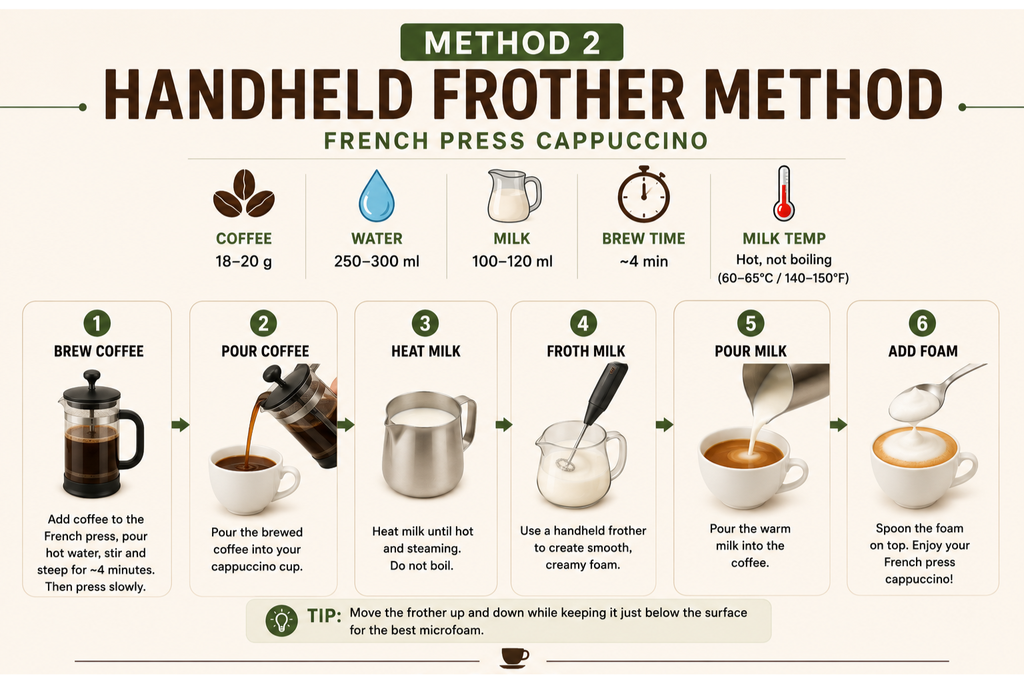
French Press Coffee + Handheld Milk Frother
This is probably the easiest method for getting consistent foam. The French press is used only for brewing, while a separate frother handles the milk.
Step 1: Prepare the Coffee
Use approximately 18–20 grams of coarsely ground coffee with 250–300 ml of hot water.
Let the coffee steep for about four minutes before slowly pressing the filter.
Step 2: Pour the Coffee
Transfer the brewed coffee to a small preheated cappuccino cup.
Preheating the cup is optional, but it helps the drink stay hot for longer.
Step 3: Warm the Milk
Heat around 100–120 ml of whole milk until it is hot and steaming.
The milk should be hot enough for the drink but should not reach a rolling boil.
Step 4: Froth the Milk
Place the handheld frother just below the surface of the milk and start frothing. Gradually move the frother through the milk to incorporate air without creating excessively large bubbles.
Stop when the milk has a smooth, creamy texture and a visible layer of foam.
Step 5: Add the Milk
Pour the warm milk slowly into the coffee. Finish by spooning the thicker foam over the top.
This method gives you more control over the texture and is a good choice if you make cappuccino regularly.
How to Make Cappuccino With a French Press: Method 3
If you don’t have a milk frother, you can still make a creamy cappuccino-style drink with a simple jar. This method requires only basic kitchen equipment and is a convenient option for a quick homemade cappuccino.
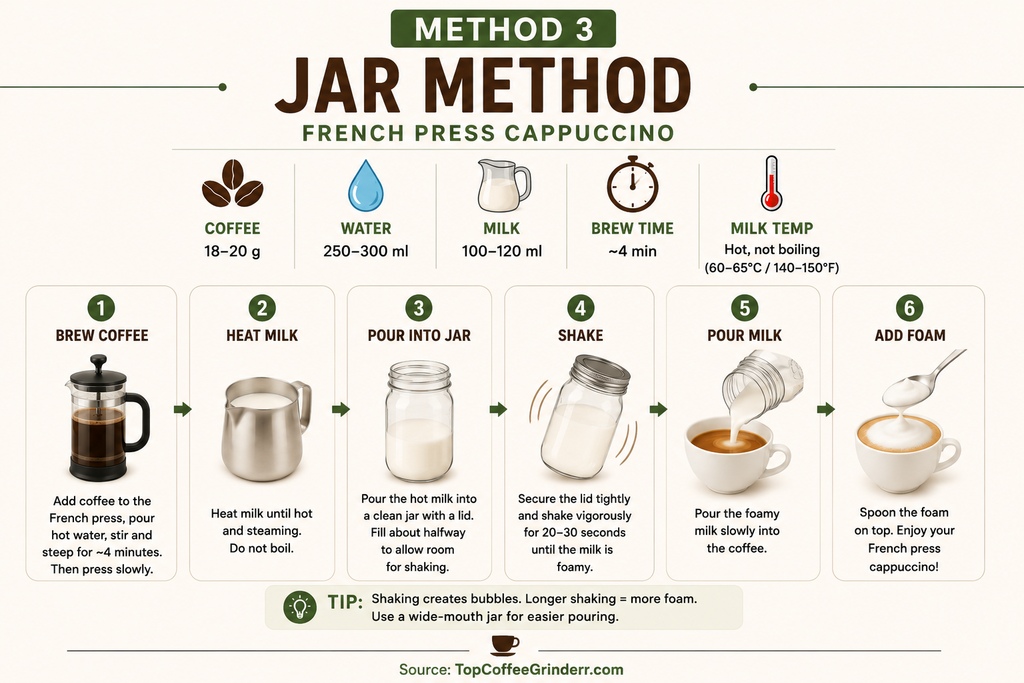
French Press Coffee + Jar Frothing Method
If you do not own a milk frother, you can use a heat-resistant jar with a secure lid. It is one of the simplest alternatives and requires almost no special equipment.
Step 1: Brew Strong French Press Coffee
Prepare your coffee using 18–20 grams of coarse grounds and approximately 250–300 ml of hot water.
Allow it to brew for about four minutes, then press the filter slowly.
Step 2: Heat the Milk
Warm approximately 100 ml of milk. Leave enough empty space in the jar because the milk will expand when you shake it.
Step 3: Add the Milk to a Jar
Pour the warm milk into a clean jar and close the lid securely.
Make sure the milk is warm rather than boiling. A tightly sealed jar containing very hot liquid can build pressure, so do not use this method with boiling milk.
Step 4: Shake the Milk
Shake the jar vigorously for approximately 20–30 seconds.
The milk should increase in volume and develop a layer of foam.
Step 5: Pour and Finish
Pour the liquid milk into your brewed coffee first. Then spoon the foam over the surface.
This method may produce larger bubbles and less silky foam than a dedicated frother, but it is convenient when you are working with basic kitchen equipment.
How to Make French Press Cappuccino Taste Better
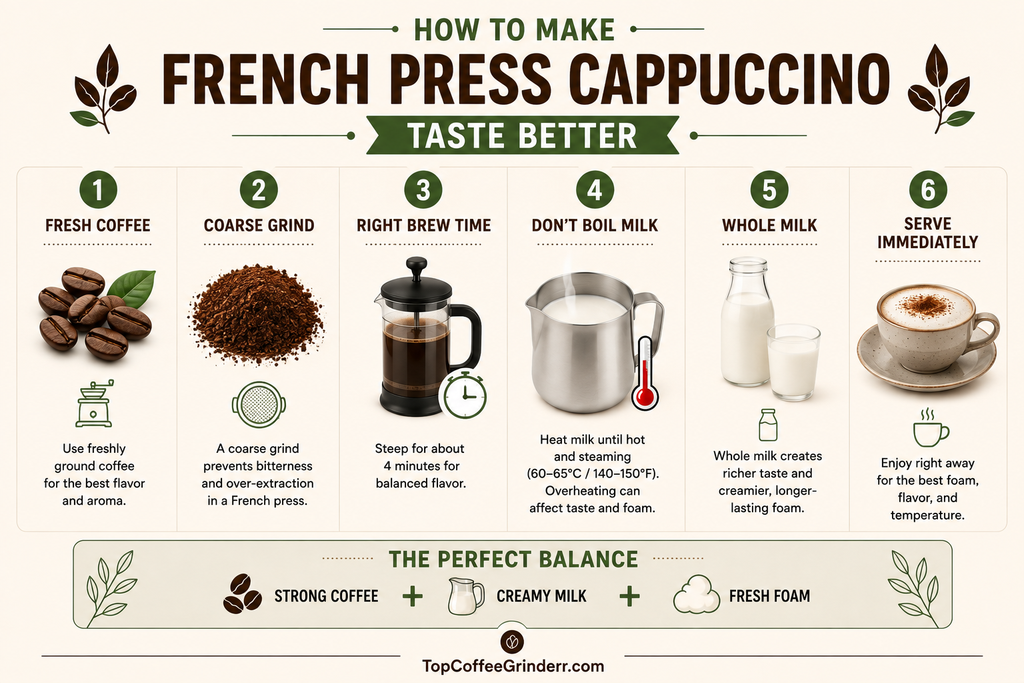
The quality of the final drink depends on more than the coffee and milk. A few small adjustments can make a noticeable difference.
Use Fresh Coffee
Freshly roasted beans usually provide more aroma and complexity. For the best flavor, grind the beans shortly before brewing.
Use the Right Grind Size
French press coffee generally works best with a coarse grind. A grind that is too fine can make the coffee bitter and leave excessive sediment in the cup.
Measure Your Coffee
Instead of guessing how much coffee to use, weigh it. Starting with 18–20 grams per serving gives you a useful baseline that you can adjust later.
Avoid Over-Brewing
Longer brewing does not automatically produce better coffee. If the drink tastes harsh or overly bitter, try reducing the brewing time rather than simply adding more milk.
Do Not Boil the Milk
Milk should be heated until hot and steaming. Boiling can give it a cooked taste and make it harder to achieve pleasant foam.
Use Whole Milk for Creamier Foam
Whole milk generally produces a richer mouthfeel and stable foam. If you prefer plant-based milk, choose a version specifically formulated for coffee when possible.
Preheat Your Cup
A warm cup helps prevent the coffee from losing heat immediately after brewing. Simply rinsing the cup with hot water before serving can make a difference.
Keep the Coffee Strong
Because French press coffee does not have the concentration of espresso, a cappuccino made with a weak brew can taste diluted once the milk is added.
If your drink tastes too mild, slightly increase the coffee dose or reduce the amount of water.
Froth Gently for Smaller Bubbles
Aggressive frothing can create large, airy bubbles instead of creamy microfoam. Whether you use a French press or handheld frother, aim for a smooth texture rather than simply increasing the volume of foam.
Experiment With the Milk-to-Coffee Ratio
There is no single ratio that everyone will prefer. If you like a stronger coffee flavor, use less milk. For a softer and creamier drink, increase the milk slightly.
Add Flavor Only If You Want It
Sugar, cocoa powder, cinnamon, vanilla, or a small amount of flavored syrup can change the character of the drink. However, good coffee and properly textured milk can make an excellent cappuccino without additional sweeteners.
A French press cannot reproduce the exact flavor of an espresso-machine cappuccino, but it can produce a surprisingly satisfying homemade alternative. Method 1 is the best choice if you want to use the French press for both coffee and milk frothing, while Method 2 offers the easiest route to better foam. Method 3 is useful when you want to make cappuccino with almost no additional equipment.
Start with fresh coffee, properly heated milk, and a consistent recipe. Once you find the coffee-to-water and milk ratio you prefer, making a French press cappuccino becomes a quick and repeatable part of your coffee routine.